1.The Day After the Book Launch
Updated: Apr 30
“Being blooming mental is the price you pay for caring enough to roar—and the morning after is where you prove it mattered.”
I woke up this morning with the faint suspicion that my brain had been burgled overnight, and the thief had the audacity to leave music behind. Not just any music—Candy by Paolo Nutini—looping like a smug alibi. Which is fitting, because last night at the Grand Hotel Tynemouth was less a book launch and more a coordinated outbreak of honesty.
Stephen sang with me—properly sang—and Benson, the neurological pickpocket currently rifling through my head, was clearly not amused, especially given Stephen’s deeply irritating, effortless cool.
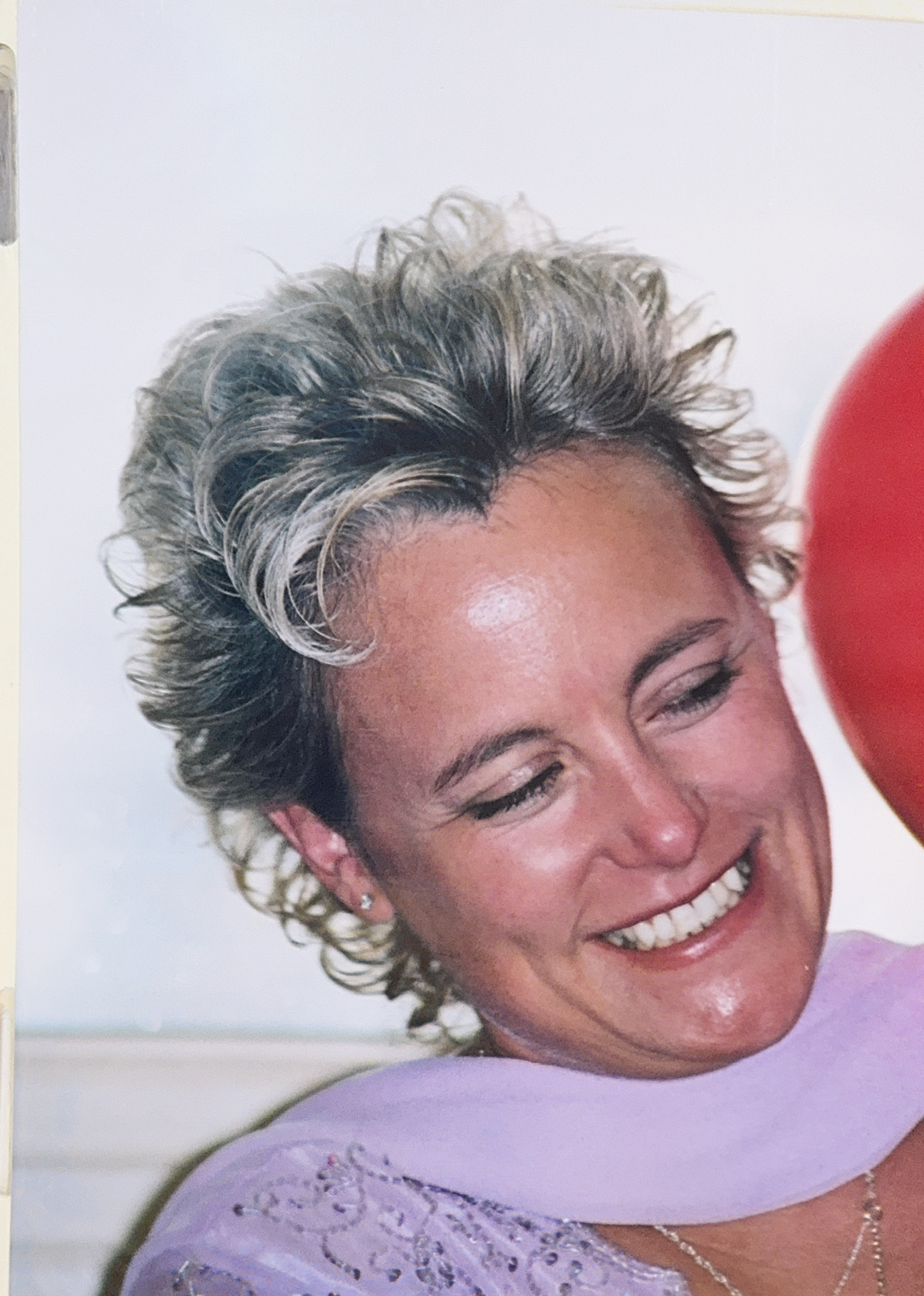
Kate, as ever, was good for a giggle—holding the line while the rest of us quietly abandoned adulthood. And then the faces: Andy, Sam, Vicki, Claire, Chris Gillian, John, Michelle, Polly—so many great people drifting in and out of a fog, saying lovely things I’m now trying, with limited success, to remember. Not a guest list—more a living, breathing collage of people who turned up, not for show, but because they cared. Oh, there’s Ron -my wonderful aunt-with her camera—the photo will show dazed and confused, but inside me the real pictures keep shuffling, refusing to stay still.
At some point—inevitably—I was asked why I wrote the book. The sort of question that expects a tidy answer and gets something far less cooperative. I wrote it because I want to roar back when I’m gone—not fade politely into the background like a well-behaved memory.
I wrote this for you, Ethan— my boy-so when life hits hard and I’m not there to say it, you’ll still hear my voice: stand up, stay kind, and never back away from what matters.
I wrote it because the bastard stealing my brain—Benson—doesn’t get to operate anonymously; if you’re going to rob me, you get named and shamed.
I wrote it because Dementia—because Alzheimer’s disease—has been allowed to slip through the system wrapped in soft language and quiet acceptance. It doesn’t deserve softness; it deserves exposure.
I wrote it to give the people in social services a proper nod—the ones doing the real work while others draft strategies about “care pathways” as if compassion were a spreadsheet. And yes, I wrote it to give politicians a kicking. A proper one. Because nothing sharpens focus quite like discomfort, and if they don’t like reading it, they should try living it.
And now—the morning after—the house is quiet. Too quiet. The kind of quiet that follows something real. Two different shoes sit there like silent witnesses—not worn, not explained, just present—evidence that somewhere between meaning and madness, control quietly left the room. And maybe that’s the point. Because what lingers isn’t the speeches or the sales—it’s the people. The laughter.
The drift of faces in and out like memory itself. And underneath it all, a line drawn: this isn’t a gentle story, it’s a fight—against forgetting, against silence, against systems that nod sympathetically while doing absolutely nothing of consequence. So yes, the morning feels off-balance, unfinished, loud in the head. Good. Because if it felt neat and resolved, it would mean it didn’t matter. And this—this mattered enough to roar.
Maurice has returned from beach patrol with Loopy Luna—who, judging by the sand distribution across the house, has either wrestled a tide or won it. He arrives with the moral authority of a man who has already had a productive morning and would quite like the rest of us to catch up. I, meanwhile, am still negotiating terms with my own limbs. Maurice is trying to get me ready for coffee, conducting what can only be described as a search-and-rescue operation: “Where’s your leg?” he asks, as if I’ve mislaid it in the night along with any remaining dignity. “And your arm—did you leave that in the hallway?” It’s less a domestic routine and more a low-budget medical drama with poor continuity.
Luna contributes nothing of value except enthusiasm. She’s orbiting the kitchen like a caffeinated satellite, occasionally checking I still exist by attempting to remove a sock with surgical precision. Maurice, clipboard in spirit if not in hand, is issuing instructions with the calm urgency of a man who believes coffee is both a beverage and a governance framework. “Shoes,” he says. A bold assumption. The two from last night are still sitting there like exhibits in a case titled The People vs Coordination. He looks at them, then at me, then back at them—silently concluding the shoes have a better alibi.
We attempt forward motion. It is not elegant. Maurice positions me like flat-pack furniture—turn, align, secure, try not to lose a bolt. I offer helpful feedback such as “left-ish” and “not that one,” which he receives with the weary patience of a man who has accepted that reality is now a collaborative fiction. Eventually, through grit, love, and a mild disregard for physics, we achieve coffee-adjacent status. Luna approves. Maurice nods. And I, reassembled to a standard that would pass a casual inspection, conclude that if this is what readiness looks like, then frankly, we’re exceeding expectations.
There’s a peculiar silence the day after a big night—the kind that isn’t peaceful so much as emptying. The adrenaline drains, the noise folds in on itself, and what you’re left with is the body reminding you that performance has a cost. Yesterday you were “on”—talking, signing, laughing, holding the room. Today you’re back in the kitchen, negotiating coffee and gravity, wondering how something so alive can evaporate so quickly. It’s not disappointment. It’s decompression.
That’s the truth no one puts on the poster. The launch isn’t just an event—it’s an output of weeks, months, sometimes years of emotional investment. You give it everything for a few hours, and the room gives it back—energy, warmth, connection. And then it’s over. Lights off. People gone. What’s left is a quiet house, a tired body, and a head still echoing with voices you can’t quite replay properly. It feels like stepping off a stage into a corridor where the carpet’s suddenly too thick and the air too still.
And then—normality. The humdrum you used to complain about now looks oddly reassuring. Cups of tea. Messages to answer. Shoes that match. Life resets, not with drama, but with routine. And here’s the thing: that’s not the comedown—it’s the grounding. Because the night mattered precisely because it stood out from this. It wasn’t meant to last. It was meant to remind you what’s possible when people come together, when a story lands, when something real is shared.
So yes—you feel tired. Properly tired. The kind that sits in your bones and behind your eyes. But it’s a good tired. Earned. The kind that says you showed up, you gave something, and it connected. And now you return to the ordinary—not as a retreat, but as a place to carry it forward.
Because the real work of the book doesn’t happen at the launch.
It happens now.
Comments